About Us
Types of Refractory Castables and Their Applications in Various Industries
Views : 8
Update time : 2025-12-16 16:27:18
Refractory Castables: Common Types and Industrial Applications
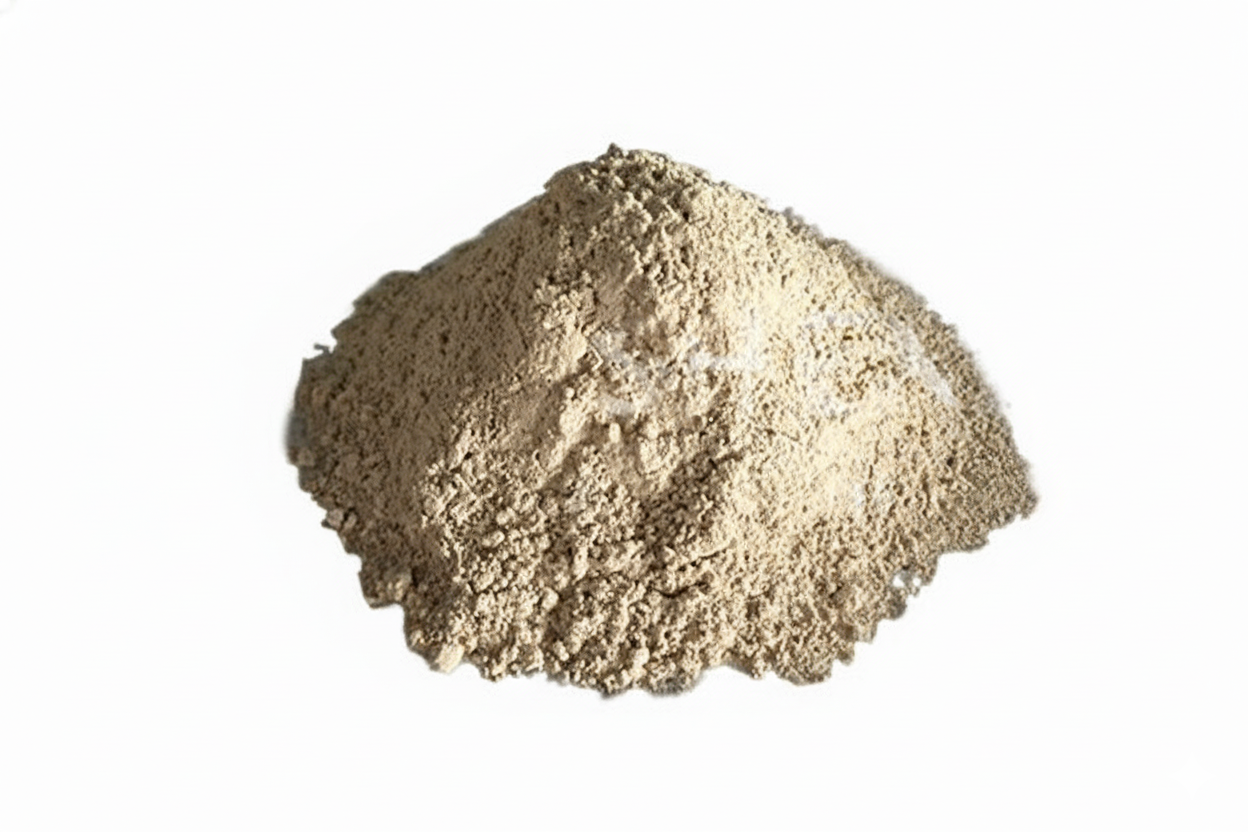
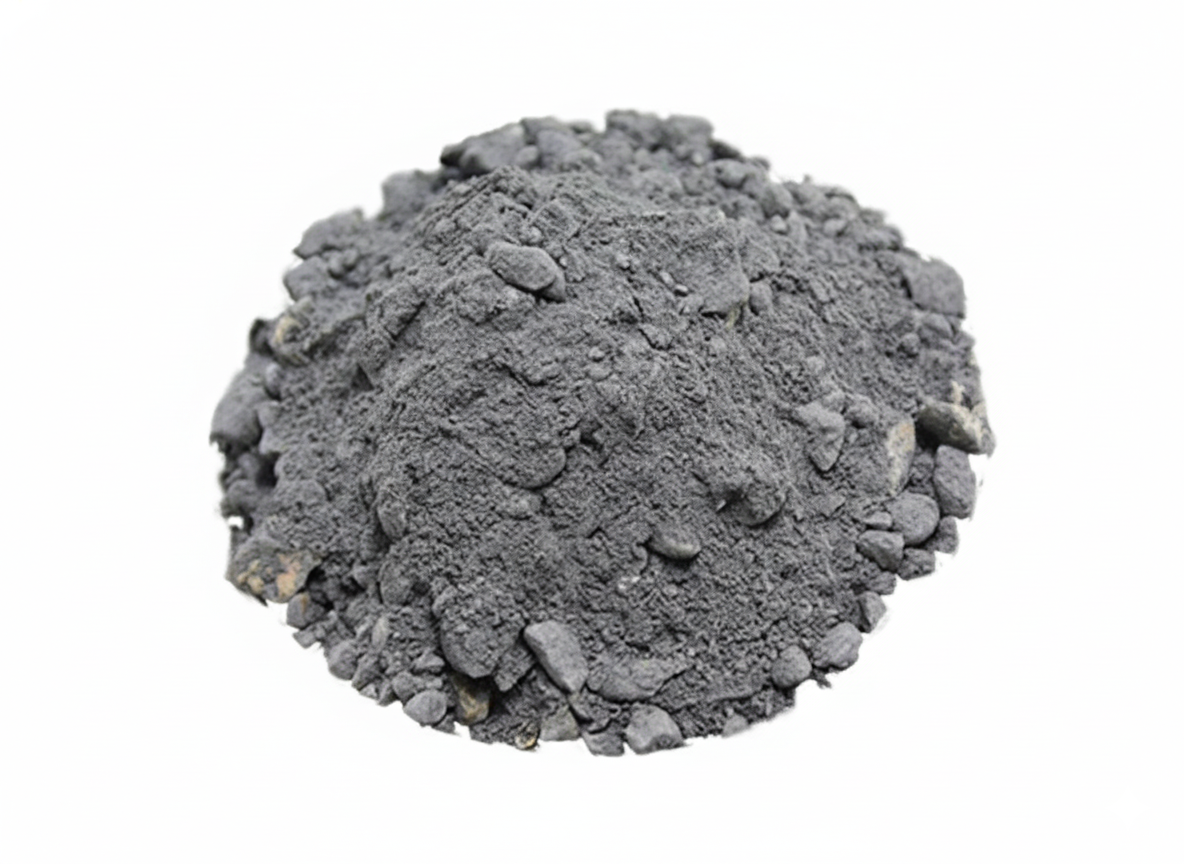
Castables, also known as refractory castables, are one of the most widely used and produced types of unshaped refractory materials. With the development of modern industry, there is a wide variety of refractory castables, each with distinct properties and applications. This article provides an overview of the common types of refractory castables and their applications across various industries.
I. Common Types of Refractory Castables
1. Classification by Properties
High-strength castables, high-temperature resistant castables, low-cement castables, steel fiber-reinforced castables, acid and heat resistant castables, and other castables with specific performance characteristics.
2. Classification by Refractory Raw Materials
Fireclay castables, high-alumina castables, siliceous castables, mullite castables, corundum castables, silicon carbide castables, etc.
3. Classification by Applicable Industrial Kiln Environments
Alumina-silicon carbide castables for iron runners of hot metal ladles, alumina-magnesia spinel castables for steel ladles, etc.
4. Classification by Density
Lightweight castables and heavy castables.
5. Classification by Binder Composition
Organic-bonded castables and inorganic-bonded castables, such as resin-bonded castables and cement-bonded castables.
6. Classification by Chemical Properties
Acid-resistant castables, neutral castables, alkaline-resistant castables.
II. Applications of Refractory Castables in Various Industries
1. Applications in Cement Rotary Kilns
Refractory castables are widely used in new dry-process cement rotary kilns.A wide range of refractory castables are applied in these kilns according to different working conditions, including conventional refractory castables, low-cement refractory castables, steel fiber-reinforced refractory castables, spalling-resistant refractory castables, anti-skinning refractory castables, phosphate-bonded refractory castables, alkaline-resistant castables, insulating castables, and self-flowing refractory castables.
2. Applications in Glass Furnaces
Due to the specific operating requirements of glass furnaces, the applied castables must have excellent high-temperature resistance, strong resistance to glass melt erosion, and low porosity. The main refractory castables used include fused silica castables, corundum castables, and lightweight mullite castables.
3. Applications in the Metallurgical Industry
(1) Castables for Ironmaking Systems
Refractory castables are extensively used in the iron runners of blast furnaces in ironmaking systems, with ASC (alumina-silicon carbide-carbon) refractory castables being the primary choice. ASC castables are typically low-cement castables, mainly composed of alumina aggregates, silicon carbide, carbon, cement, and various additives.
(2) Castables for Hot Metal Pretreatment
In hot metal ladles, refractory castables are mainly used in the ladle bottom, molten bath, and slag line areas, where alumina-silicon carbide-carbon castables are adopted. The monolithic spray guns fabricated from such castables feature uniform structure, seamless joints, excellent thermal shock resistance, and a long service life.
(3) Castables for Electric Arc Furnace (EAF) Steelmaking
Refractory castables are mainly applied in the roof of electric arc furnaces. Since the late 1990s, with the widespread adoption of water-cooled roof technology, the monolithic pre-casting technology of castables has been commonly used in the electrode triangle area, leading to the extensive application of monolithic castable furnace roofs.